When we started Paal, we had a simple idea:
Could we bring back the kind of fresh milk families once received directly from nearby farms?
At the time, we believed the idea would be relatively easy to execute. We had enthusiasm, good intentions and very little understanding of how the dairy industry actually worked.
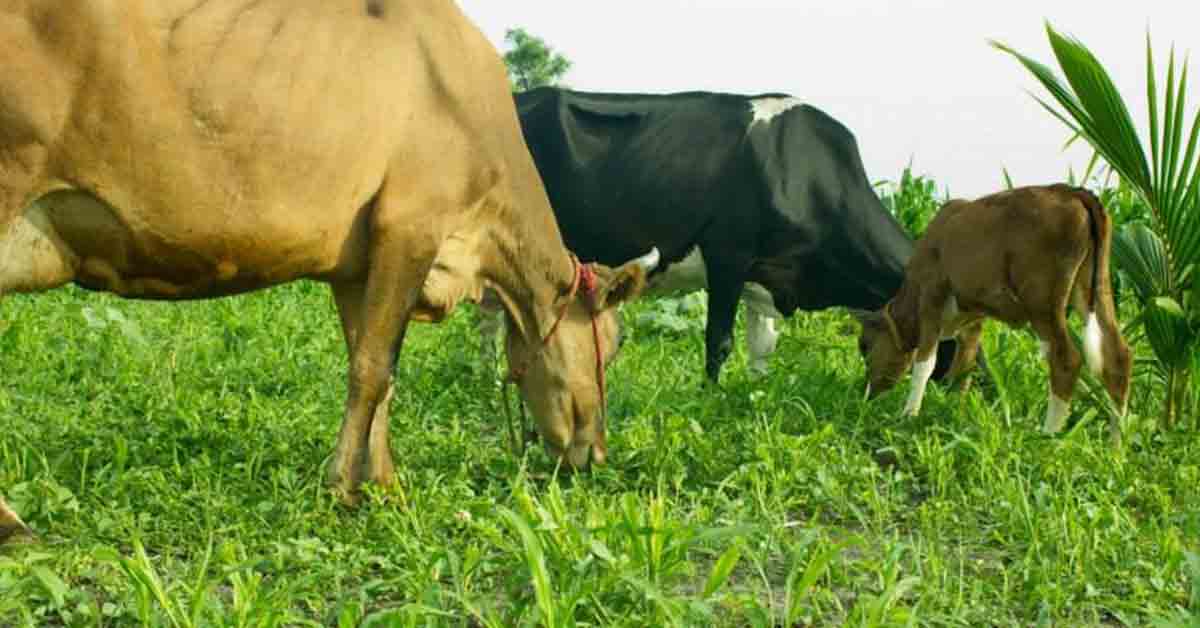
Buying our first cow, Gowri, changed that.
What Gowri Taught Us
Through a mutual contact, we found a livestock vendor who supplied cows to several small farms in our area.
We told him that we were looking for a healthy cow capable of producing around 20 litres of milk a day. He assured us that Gowri met our requirements. After considerable negotiation, we agreed on a price and brought her to our farm.
For us, it was an exciting moment. Gowri represented the beginning of Paal.
We invited a few close family members to visit the farm. During the visit, one of them noticed that Gowri appeared unusually restless. She repeatedly stretched and lifted one of her legs.
When we examined her hoof closely, we discovered a severe infestation.
We were shocked.
This was the cow we had carefully selected. We had trusted the vendor, believed his assurances and prepared to begin our farm with confidence. When we contacted him, he denied having any knowledge of the condition and said it was not his responsibility.
That incident was our first real introduction to the dairy industry.
Until then, we had thought mainly about milk—its freshness, purity and taste. Gowri taught us that we first needed to think about the animal producing it.
Purity Is Not Only About Adulteration
When people speak about the quality of milk, the conversation usually begins with adulteration.
Has water been added?
Have any chemicals been used?
Is the milk pure?
These are important questions. But they are not the only questions that matter.
The quality of milk is also influenced by the health of the cow, the food she receives, the cleanliness of her surroundings and the way she is treated.
A cow living in stress, discomfort or unhygienic conditions is more vulnerable to illness. Poor nutrition affects her health and production. Improper milking practices can cause pain and infections. Neglecting her long-term wellbeing eventually affects the entire farm.
We therefore realised that producing good milk could not simply mean avoiding adulteration.
It had to begin with responsible care.
The Hidden Cost of Poor Dairy Practices
Not every dairy farm is the same, and many farmers genuinely care for their animals. But poor practices are still common, especially when farms are managed with only one objective: obtaining the maximum possible quantity of milk at the lowest immediate cost.
In such environments, cows may be made to live on wet or unclean floors with inadequate drainage, ventilation or resting space.
Medicines or hormones may be misused to force milk let-down without understanding the impact on the animal.
Cows may be milked without properly considering the nutritional needs of their calves.
Calves, particularly male calves, may be neglected because they are seen as having little economic value to the dairy farm.
When a cow’s production declines, she may be sold because continuing to care for her is considered financially unviable.
These practices are cruel. But they are also signs of a deeper problem: an unsustainable farming system.
Cruelty Is Also Bad Farm Management
Poor animal care is sometimes justified in the name of profitability.
In reality, it frequently creates the opposite result.
A cow living in an unhygienic environment is more likely to develop infections. Illness leads to veterinary expenses, lower milk production, discarded milk and, in severe cases, the premature loss of the animal.
A poorly fed cow may temporarily continue producing milk, but her body condition, fertility and long-term health will suffer.
An animal that is constantly stressed or uncomfortable may resist handling and milking. This makes the work more difficult for the people caring for her and reduces the consistency of farm operations.
If calves are not raised properly, the farm will eventually have to purchase replacement cows from outside. This is expensive, and the farmer may know very little about the health history or actual productivity of the animals being purchased.
The money saved through shortcuts is often spent later on medicines, veterinary treatment, replacement animals and lost productivity.
Everyone loses.
The cow experiences a poor quality of life.
The farmer faces rising costs, uncertainty and stress.
The consumer receives milk from a system that may lack consistency, hygiene and transparency.
Why Consumers Should Care
The way a cow is treated may appear to be a concern limited to the farm.
It is not.
Every glass of milk is the result of a larger system. It reflects the animal’s health, the quality of her feed, the cleanliness of the farm, the farmer’s knowledge and the decisions made every day.
When a dairy farm becomes financially unstable, the pressure to cut costs increases. Feed quality may be reduced. Veterinary care may be delayed. Hygiene may be neglected. In some cases, milk may be diluted or handled improperly to compensate for poor productivity.
This does not mean that every struggling farmer adulterates milk. But it does show why milk quality cannot be separated from farm sustainability.
Consumers deserve to know where their milk comes from and how it is produced.
Good milk does not begin at the point of packaging.
It begins at the farm.
What Does a Sustainable Dairy Farm Look Like?
After entering the dairy industry, we made many mistakes.
Some were caused by inexperience. Others came from accepting conventional practices without questioning whether they were right for the cow or sustainable for the farm.
Those mistakes taught us that a successful dairy farm cannot depend on individual effort alone. It requires systems.
Clean and Comfortable Housing
Cows need clean flooring, proper drainage, sufficient ventilation, shade, access to clean drinking water and enough space to rest comfortably.
A well-designed farm does more than improve animal welfare. It also makes cleaning, feeding, observation and disease prevention easier for the people managing the herd.
Proper Feed Management
Feeding cannot be based only on quantity.
A cow’s nutritional requirements change according to her age, body condition, pregnancy stage and milk production.
A balanced feeding programme supports milk production without exhausting the animal. It also improves fertility, immunity and long-term health.
Preventive Healthcare
Good farm management should not begin only after a cow becomes sick.
Regular observation, vaccination, deworming, hoof care and timely veterinary attention can prevent many problems from becoming serious.
Maintaining health records also helps farmers identify repeated illnesses and make better decisions.
Responsible Breeding
Breeding should not be treated as an automatic process that must happen as frequently as possible.
The cow’s health, body condition and recovery after calving must be considered.
Tracking heat cycles, insemination, pregnancy, calving and reproductive health allows the farmer to plan responsibly rather than react to problems later.
Raising the Future Herd
Calves should not be viewed merely as a consequence of milk production.
They are the future of the farm.
By raising calves responsibly, a farmer can gradually build a herd whose health, behaviour and family history are known. This reduces dependence on livestock vendors and lowers the risks involved in repeatedly purchasing animals from outside.
Using Technology to Support Better Decisions
Even a small dairy farm generates a large amount of information.
How much milk did each cow produce?
When was she vaccinated?
When did she last calve?
What treatment was given?
Is her production improving or declining?
When this information exists only in memory, important details are easily missed.
Technology can help farmers maintain records, identify patterns and act at the right time. But technology is useful only when it supports thoughtful management and genuine care.
It cannot replace responsibility.
Building a Better Dairy Ecosystem
At Paal, our understanding of dairy farming did not come from having all the answers at the beginning.
It came from entering the industry, making mistakes, observing closely and learning to ask better questions.
Gowri was one of our first teachers.
She helped us understand that the purpose of a dairy farm cannot be limited to extracting milk. A farm must create a balanced ecosystem in which the cow, the calf, the farmer, the farm workers and the consumer can all benefit.
When animals are healthy, farms become easier to manage.
When farms are managed responsibly, farmers can build stable and sustainable livelihoods.
When the entire process is transparent, consumers receive milk they can trust.
Cruelty is real.
But cruelty is not inevitable.
Better dairy farming is built through hundreds of everyday decisions—how a cow is housed, fed, handled, treated and cared for throughout her life.
And every better decision takes us one step closer to a dairy ecosystem that is healthier, kinder and more sustainable for everyone.